-
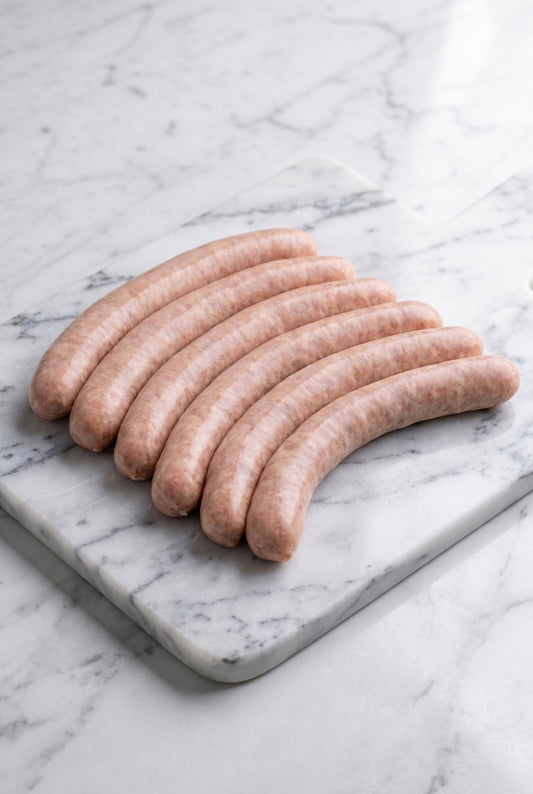
Veal sausage | 500 g
Prepared using traditional methods in our workshop, this veal sausage stands out for its pale pink meat and exceptionally fine texture.We stuff our mixture into natural casings, ensuring an authentic crispness when bitten, before releasing a tender and juicy center.At Allaert Meat, we select...- €10,50
- €10,50
- Unit price
- €21,00 per kg
-
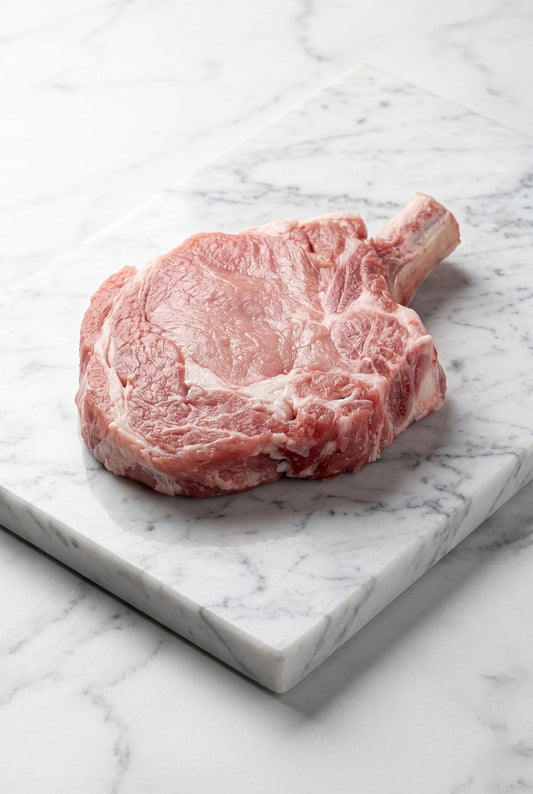
Veal chop | ≈ 400 g
Milk-fed veal chop stands out with its pearly pink flesh, a sign of carefully selected feeding and respectful rearing practices.Protected by a thin layer of fat and nourished by the bone during cooking, this cut offers exceptional tenderness and very subtle buttery notes.At Allaert...- €21,20
- €21,20
- Unit price
- €53,00 per kg
-
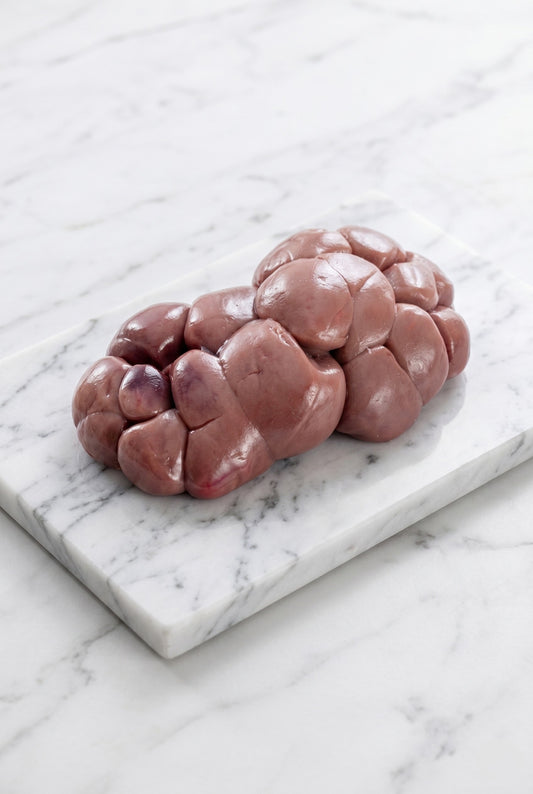
Veal kidney | 400 g
Veal kidney is a centerpiece of French offal, appreciated for its tender meat and subtle hazelnut flavor.At Allaert Meat, we select light and fleshy kidneys, meticulously trimmed to guarantee a melting texture without any bitterness.To preserve its tenderness, sear it whole or in medallions...- €4,00
- €4,00
- Unit price
- €10,00 per kg
-
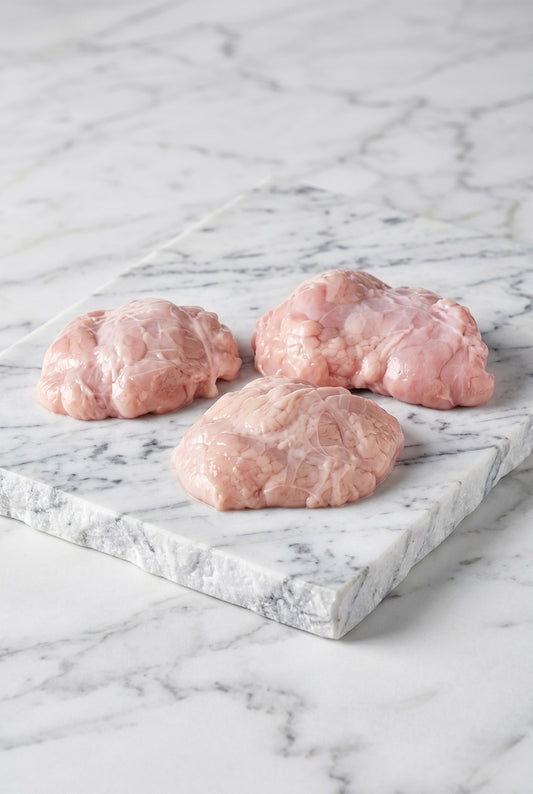
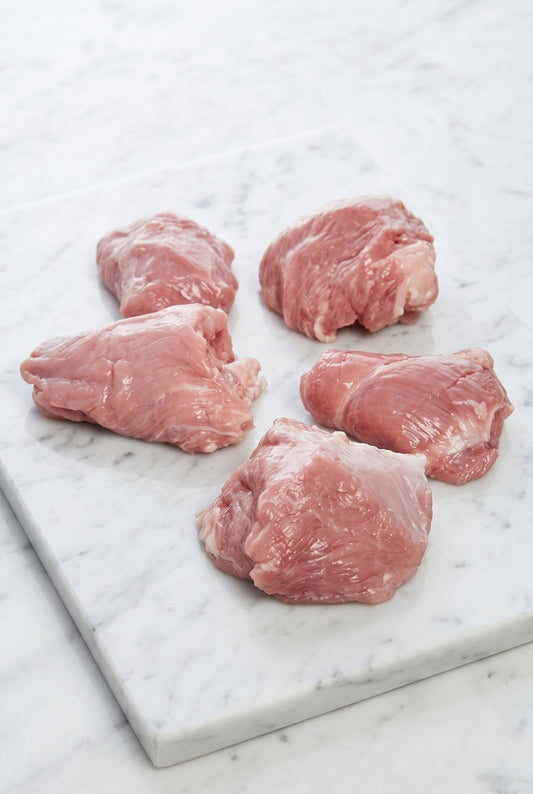
Fresh sweetbreads (heart) | 1000 g
Heart sweetbread is the centerpiece of noble offal, offering a generous, firm, and pearly white lobe. At Allaert Meat, we exclusively select these central cuts to guarantee meat free of superfluous membranes, ready to reveal its exceptional tenderness. After meticulous degorging and a quick...- €68,00
- €68,00
- Unit price
- €68,00 per kg
-
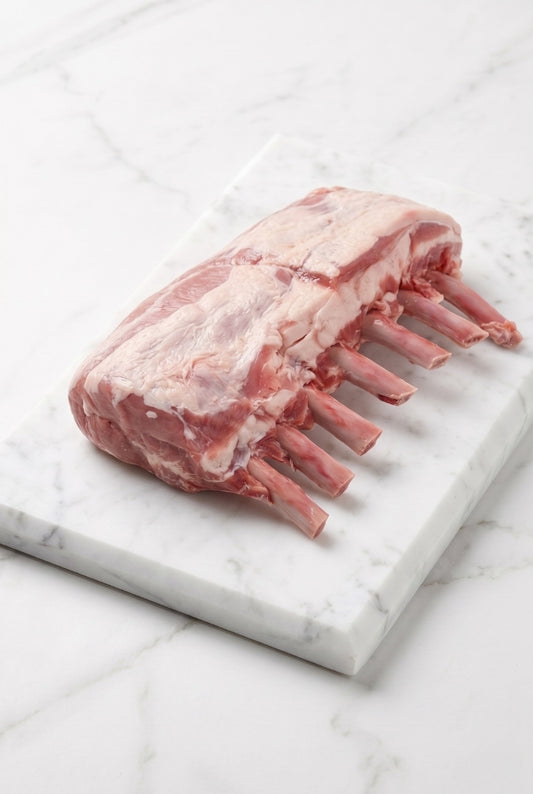
Crown of veal | 1800 g
The veal crown is an exceptional cut, handcrafted by our butchers from the finest prime ribs to form a perfect circle. Its pearly pink flesh offers an incredibly fine grain and slight marbling that melts during cooking, releasing buttery and delicately milky notes. At...- €95,40
- €95,40
- Unit price
- €53,00 per kg
-
Veal blanquette | 1000 g
For a blanquette de veau prepared according to the rules of the art, we carefully select cuts rich in collagen, combining shoulder, neck, and flank. This perfect balance between lean meat and delicately marbled cuts guarantees a melt-in-your-mouth texture after slow simmering.Simmer these veal...- €32,00
- €32,00
- Unit price
- €32,00 per kg
-
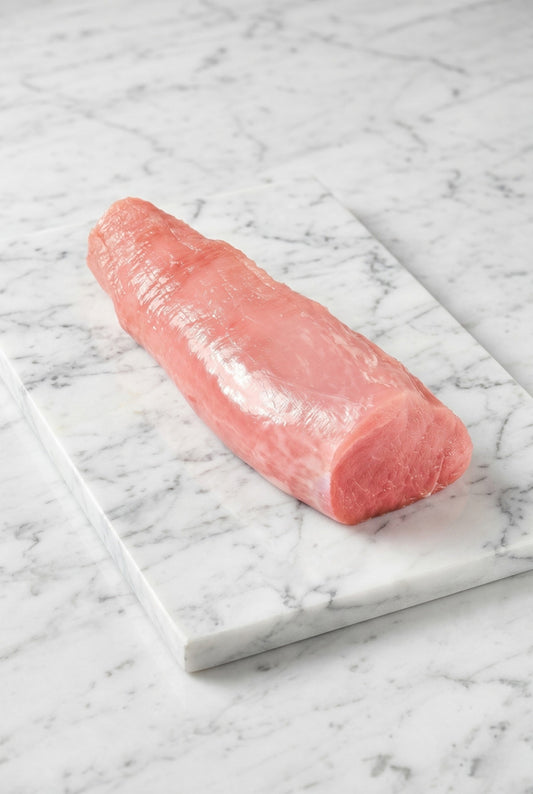
Veal tenderloin | 1500 g
A masterpiece of the animal, this pure veal fillet stands out with its pearly pink flesh and absolute tenderness that yields under the knife with no resistance. At Allaert Meat, we select these muscles with an exceptionally fine grain to guarantee a milky and...- €84,00
- €84,00
- Unit price
- per
-
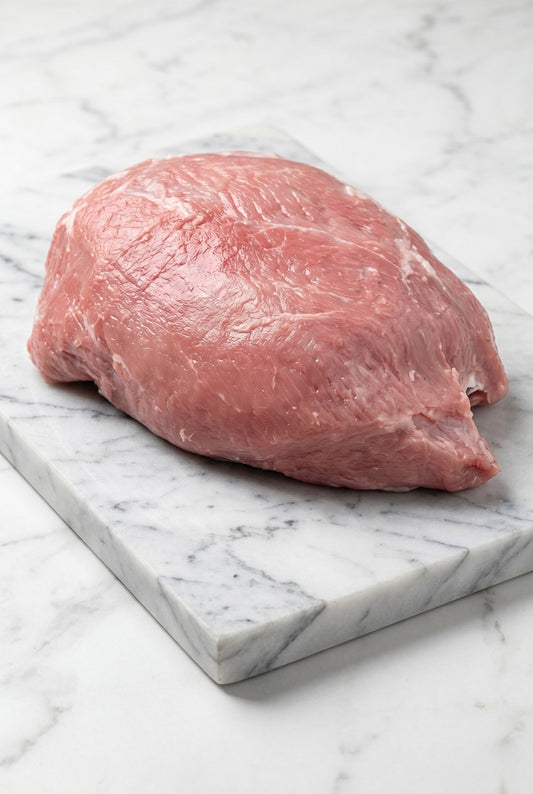
Roast veal | 2500 g
This veal roast, precisely cut from the top or silverside, stands out with its pearly pink flesh and exceptionally fine grain. At Allaert Meat, we select cuts with a light fat covering, essential for nourishing the meat and guaranteeing its tenderness when cooked. On...- €115,00
- €115,00
- Unit price
- €46,00 per kg
-
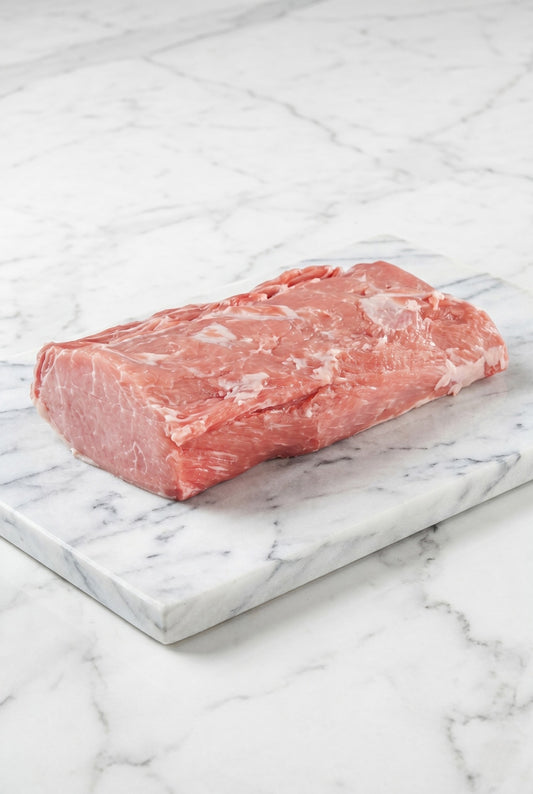
Veal loin | 1000 g
The loin is an elegant cut, renowned for its tenderness and even cut, ideal for roasting in the oven or for shorter cooking times depending on the thickness. For a moist result, it's essential to brown the surface well, continue cooking over moderate heat,...- €57,50
- €57,50
- Unit price
- €57,50 per kg











Find the answers to your questions on Veal meat
Frequently Asked Questions: Veal meat
What cuts of veal should I choose for a traditional blanquette?
To successfully prepare this classic dish, Maison Allaert recommends mixing lean, gelatinous cuts of veal such as shoulder, flank or brisket, as this combination ensures a smooth sauce and a melting texture after simmering.
How do you cook a veal escalope so that it doesn't become dry?
To preserve the tenderness of your veal escalope, it is crucial to sear it very briefly over high heat in a mixture of butter and oil to color the outside without overcooking the inside, and never pierce the meat to preserve its natural juices.
What is the difference between milk-fed veal and grain-fed veal?
The distinction lies in the color and taste of the meat: milk-fed veal, fed exclusively on milk, offers very light white flesh and a mild flavor, while grain-fed veal has firmer pinkish meat and a more pronounced taste, both selected by us for their quality.
How long should you cook a veal roast in the oven?
To obtain a juicy and slightly pink Allaert veal roast, we recommend gentle cooking at 180°C, allowing approximately 20 to 25 minutes per 500g of meat, while regularly basting the piece with its cooking juices to prevent the fibers from drying out.
How to prepare osso buco with your veal?
Osso buco requires slices of veal shank with the marrow bone, which you must simmer for a long time over low heat with vegetables and white wine so that the collagen dissolves, making the meat so tender that it falls off the bone by itself.
What wine should I serve with a veal dish?
Unlike red meats, veal has a delicate taste that goes best with full-bodied, rich white wines like a white Burgundy or, if you prefer red, a very light and low-tannin wine like a Pinot Noir or a Beaujolais so as not to mask the delicacy of the meat.
- Choosing a selection results in a full page refresh.